Forklift Operator Salary: What You Can Actually Earn
June 26, 2026
Forklift operator is one of the more accessible skilled jobs out there — you can be qualified in an afternoon — and the pay is solid for how quickly you can start. While exact numbers vary by source, region, and year, forklift operators in the U.S. generally earn somewhere around $19 to $22 an hour, which works out to roughly $40,000 to $45,000 a year for full-time work. Entry-level roles start lower; experienced operators and those in high-demand industries earn more.
Several things move that number. Location matters most — pay in high-cost metros and busy logistics hubs runs well above rural averages. Industry matters too: operators in cold storage, ports, manufacturing, and specialized warehousing often earn more than general retail stocking roles. Shift differential is real money — overnight and weekend shifts typically pay a premium. And overtime is common in warehousing and distribution, which can push annual earnings noticeably higher than the base rate suggests.
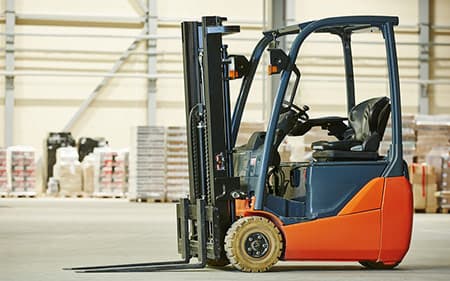
Experience and versatility are the biggest long-term levers. An operator certified and comfortable on multiple equipment types — sit-down forklift, reach truck, order picker, and aerial/scissor lifts — is more valuable than someone limited to a pallet jack, because they can be scheduled across more of the operation. That flexibility is what gets you raises, lead roles, and first pick of shifts.
Here's where certification comes in. Certification itself isn't a big salary bump on paper — but it's the gate. Employers can't legally put you on the equipment until you're trained and certified, so being certified is often the difference between getting hired (and starting to earn) and being passed over. For a credential that costs around $59 and takes a few hours, it's the highest-leverage thing you can do to start earning or to qualify for a better-paying operator role.
If you're trying to break into warehousing or logistics, the move is simple: get certified first so you can apply as a ready-to-work operator, then add equipment types over time to climb the pay scale. The training is cheap and fast; the earning window it opens is what matters.
Related articles
- OSHA Forklift Certification Requirements (and the 'License' Myth)
- Forklift Classes 1–7: The Types of Forklifts Explained
- How to Get Forklift Certified in 2026 (Step by Step)